At the crossroads of Hicks law, ethical design, and AI interfaces
AI has taken the world by storm over the last few years. With it has come a flood of possibilities, and a new set of challenges. The hot topics up for discussion is anything from privacy to how data is used, and sustainability; but I want to touch on a different topic. The paradox of choice and how this may actually create concern from a business and ethics perspective.
When it comes to AI assistants and language models like ChatGPT, the design choice to use a single freeform textbox feels fitting. Users can input anything that comes to mind, after all, it's meant to be an all-in-one assistant. It is capable of doing and answering almost everything with fairly good accuracy, however, when it comes to detailed and very refined and niche requests, the results are lackluster, at best. It's like a jack of all trades, master of none.
But the generalist AI models are not the target of my discussion. The premium AI services built for specialized purposes have an important focal point to consider: The importance of Hick's law and the ethics behind it.
The psychology of choice
Hick's law states that with the more choices we have, the longer it takes for us to make a decision.
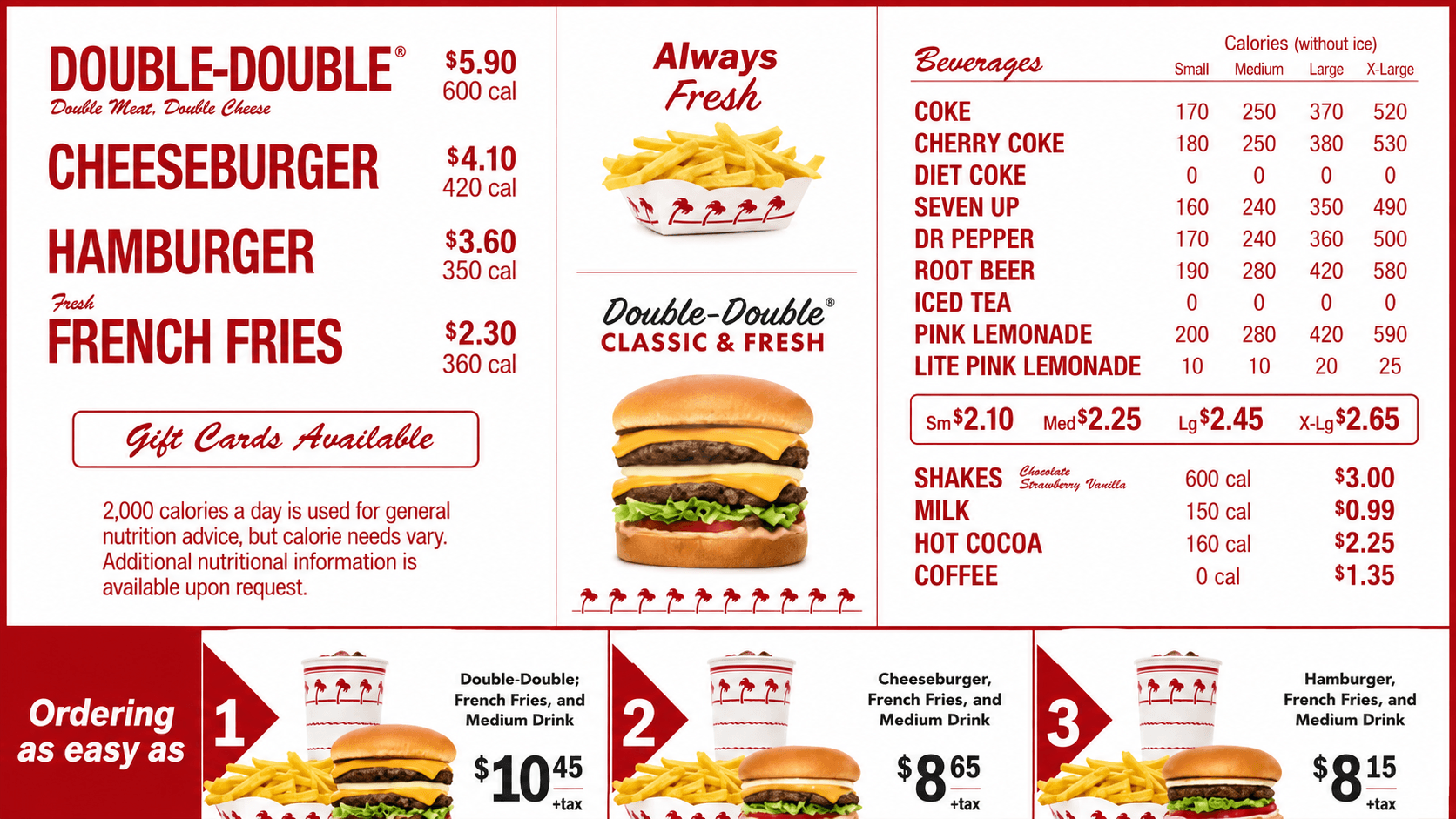
If your restaurant has many items, lines will be longer and decisions can sometimes result in indecisiveness, and ultimately a lost customer. The popular burger chain “In n Out” in the United States has a solution. Their menu is simplified to just a hamburger, a cheeseburger, and a double-double (double burger). The only other choice you need to make is if you want a drink and fries. That's it. I very much believe they have little walk-outs that happen due to a customer not deciding what they want to eat. People go there knowing exactly what they want, and will make their purchase.
Research supports this model. A study shows that higher conversion rate comes with less offerings. When presented with choices of jam, only 3% of customers made a purchase when given 24 flavors of jam, whereas 30% made a purchase when only given 6 flavors were available.
Comparing menus with AI models
With our AI model in mind and this idea of choice, I want us to take a step back. Now imagine walking into a restaurant that has an encyclopedia of menu items. Overwhelming? Sure. But let's make it even more challenging. This restaurant doesn't give you the book. The menu is to be discovered by asking the waiter your requests. They may or may not be able complete your request, or they will find something similar, but not what you were expecting.
After a few exchanges with the waiter you eventually settle on good enough. But then, you see the table next to you receive the exact dish you were trying to purchase. How did they order? What did they say? It doesn't matter. You had $20 in your pocket and you've already spent it. Maybe next time.
This is the type of experience we are building with open prompt AI interfaces: an unknown amount of possibilities with an invisible structure. The menu exists — it's just hidden behind the limitations of your imagination.
The cost of exploration
When users pay for tokens to generate AI outputs, they're not just paying for results, they're paying to learn how to get results. Each prompt is a microtransaction of uncertainty. Users buy some amount of tokens, type a few words, and hope for the best. It's gamified trial and error, and it can begin to feel a lot like gambling for results. There is actually a very good video I just stumbled across from the Mastodon community, talking on this very topic.
In any other context, this pay to play model would be absurd. Imagine every click in a traditional software costing you a few pennies. As you try to find the feature or setting you need, you're spending money navigating through a complex system. AI is no different.
Of course, we cannot ignore the economic reality to using AI. Running large AI models is expensive, and those costs need to be covered. But that doesn't absolve us, as designers and builders, from considering the experience and ethical concerns this creates.
Designing ethically and accessibly with open input
Many people equate freedom with empowerment. But Hick's Law reminds us that freedom without boundaries is actually friction that results in more loss than gain. The open prompt may look minimal and inviting, but cognitively, it's one of the heaviest interfaces ever designed. This paradigm places the burden of creativity, exploration, and accuracy entirely on the user.
Open prompt is one of the heaviest interfaces ever designed.
We have to ask ourselves what freedom really means in the age of AI. Maybe it isn't about presenting an open window of possibilities, but it's about giving people just enough guidance to move forward with confidence in the results they will receive. If we want to take it a step further and talk about ethics, we have to make a brief mention about the error handling.
Many AI, especially the ones that build applications and services have another major problem. More often than not, you give a prompt, and it may result in errors. Errors you specifically asked to look out for. Then comes more prompts to try and fix the errors, and you are once again out of tokens. What just happened? You just paid money to try to fix bugs that was at no fault of your own.
If the open prompt remains the main interface, maybe the answer is to bring a bit of structure back. A simple questionnaire that asks what someone wants to create, what style they're after, or what outcome they expect. Claude has started doing this with some prompts, but its still not up to par with what you would expect. The interface needs to bring up best practices based on the users goal; if the user is generating an image, it should help describe more, or ask about, for example, the setting of the place, are there any landmarks or other things to be included? It's not about limiting creativity, it's about giving the user guidance to succeed.
The final point I want to talk about is the actual usage of credits, or tokens as they are called. No average joe off the street understands how the credit are calculated. Having an actual calculated estimate that will be used before it gets to work is another great way to bring trust and transparency. For estimates that are within the tokens budget available, it is important that the AI finishes the job, even if the calculation was wrong.
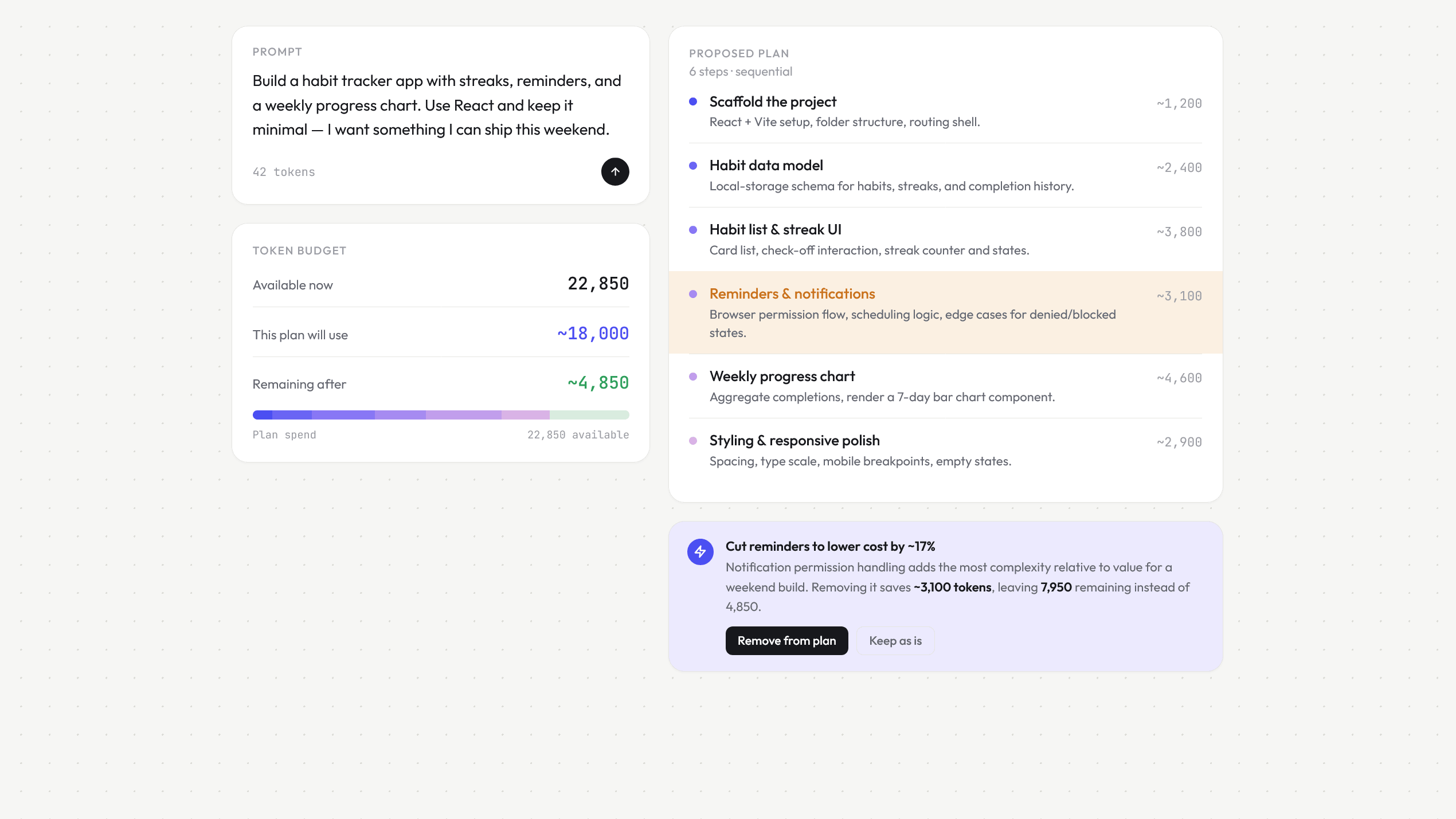
This idea of asking for more money before seeing the results is synonymous to the common joke around palm readers. Each time their vision gets clearer, they ask for money. By the time you hear the final reading its nothing but disappointment. This happens all too often with AI results. Customers pay out of their pocket expecting one result and get something completely different than expected.
Final thoughts
There is a lot of work until AI becomes an ethical robust system that favors users. It is a technology that came out of left field and took the world by storm. It's mainstream and unavoidable. That doesn't mean that it should take advantage of users simply because it is an essential part of their lives, work, and jobs. As people in service design, CX, and UX, its an obligation to ensure ethical practices by building trust, making knowledge, data, and usability accessible so that everyone can benefit without gambling.